|
 Please
see below a press release regarding a new study of interest to water
utility professionals, policy makers and local lawmakers which compares the
health, safety, performance characteristics, and sustainability attributes of
different water and sewer pipe materials. Please
see below a press release regarding a new study of interest to water
utility professionals, policy makers and local lawmakers which compares the
health, safety, performance characteristics, and sustainability attributes of
different water and sewer pipe materials.
The review evaluates underground pipe infrastructure in the context of
providing sustainable water and sewer service over a 100-year period: (1) with
minimal risk of degrading water quality; (2) while reducing the costs of
operations, maintenance and repair; and (3) by taking into consideration the
variables which can influence pipe performance and service-level expectations.
The report also provides relevant data which can assist utility officials with
their asset management plans and life cycle cost assessments for different pipe
materials.
Sustainable Solutions Corporation
Releases Comparative Analysis and Environmental Review of Underground Piping
ROYERSFORD, Pa., April 19, 2017 – Sustainable Solutions Corporation (SSC) has
released the Life Cycle Assessment of PVC Water and Sewer Pipe and
Comparative Sustainability Analysis of Pipe Materials, the first
comprehensive environmental review of underground piping systems in North
America. Based on a 100-year life cycle assessment methodology, the review
includes a study of polyvinyl chloride (PVC) pipe conducted according to life
cycle assessment (LCA) standards ISO 14040 series. The life cycle analysis used
in the report was peer reviewed by an international panel of experts for ISO
14040 series compliance. The review also makes reference to the 2015
Environmental Product Declaration (EPD) for PVC Pipe, which complies with
ISO 14025 standards and was independently certified by global health
organization NSF International.
 To ensure industry transparency, Uni-Bell PVC Pipe Association commissioned SSC
as independent experts to perform an LCA for commonly used PVC pipes for
drinking water, sanitary sewer, and storm sewer piping covering the 4 to 60 inch
rigid PVC pipe market. The pipe encompassed by this study is representative of
PVC pipe manufactured in the U.S. and Canada, which uses a tin-based stabilizer
and does not contain phthalates, lead, or cadmium. This comprehensive study also
contains a comparative review of the corresponding alternative pipe products
based on publicly available information on durability, smoothness factors, and
statistical data, as well as environmental data when available. To ensure industry transparency, Uni-Bell PVC Pipe Association commissioned SSC
as independent experts to perform an LCA for commonly used PVC pipes for
drinking water, sanitary sewer, and storm sewer piping covering the 4 to 60 inch
rigid PVC pipe market. The pipe encompassed by this study is representative of
PVC pipe manufactured in the U.S. and Canada, which uses a tin-based stabilizer
and does not contain phthalates, lead, or cadmium. This comprehensive study also
contains a comparative review of the corresponding alternative pipe products
based on publicly available information on durability, smoothness factors, and
statistical data, as well as environmental data when available.
At a time when aging piping infrastructure, underground corroded pipe materials,
and water quality issues are at the forefront, the intention of this report is
to help to address significant issues with the national water and wastewater
infrastructure. Based on the results of this study, PVC pipe provides both
environmental and economic advantages to solving the water infrastructure needs
for utilities and municipal projects. PVC pipe is shown to have fewer
environmental impacts from a life cycle and carbon footprint perspective when
compared to alternative materials, including lower embodied energy, lower
use-phase energy, and longer life attributes.
 “The PVC pipe industry is the only pipe material that has transparently reported
their sustainability and environmental impacts. This is welcome information for
both policy makers and utility professionals to make fully informed decisions in
their efforts to improve underground infrastructure with sustainable products,”
says Tad Radzinski, President, SSC. “The PVC pipe industry is the only pipe material that has transparently reported
their sustainability and environmental impacts. This is welcome information for
both policy makers and utility professionals to make fully informed decisions in
their efforts to improve underground infrastructure with sustainable products,”
says Tad Radzinski, President, SSC.
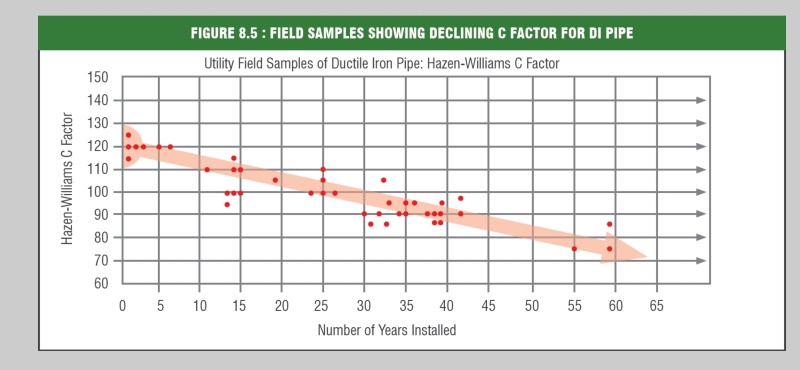
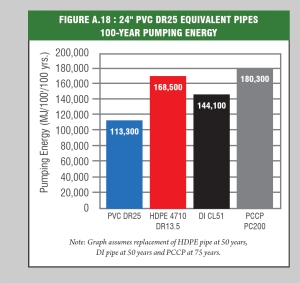
The report synthesizes complex sustainability information in order to provide
information in regard to piping systems. Among its many findings, the study
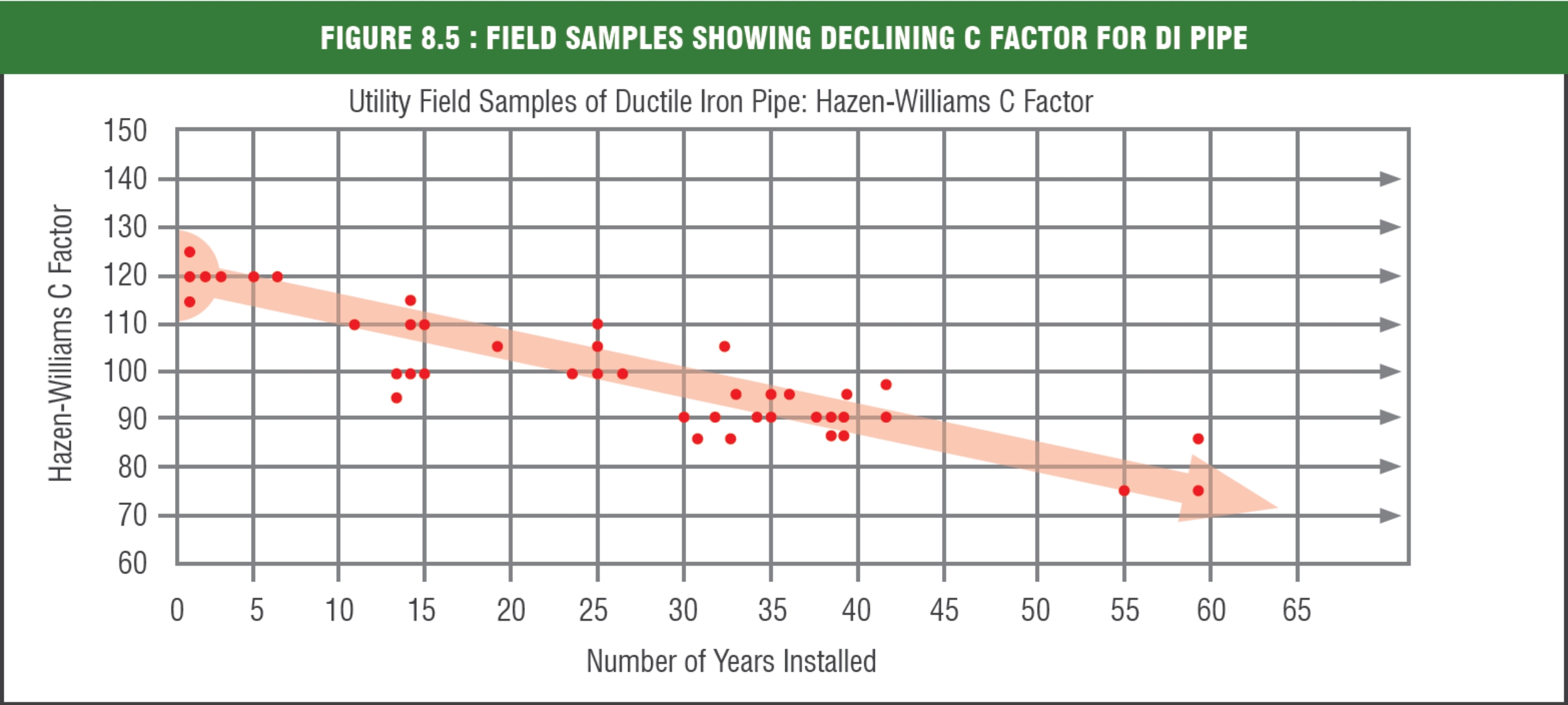
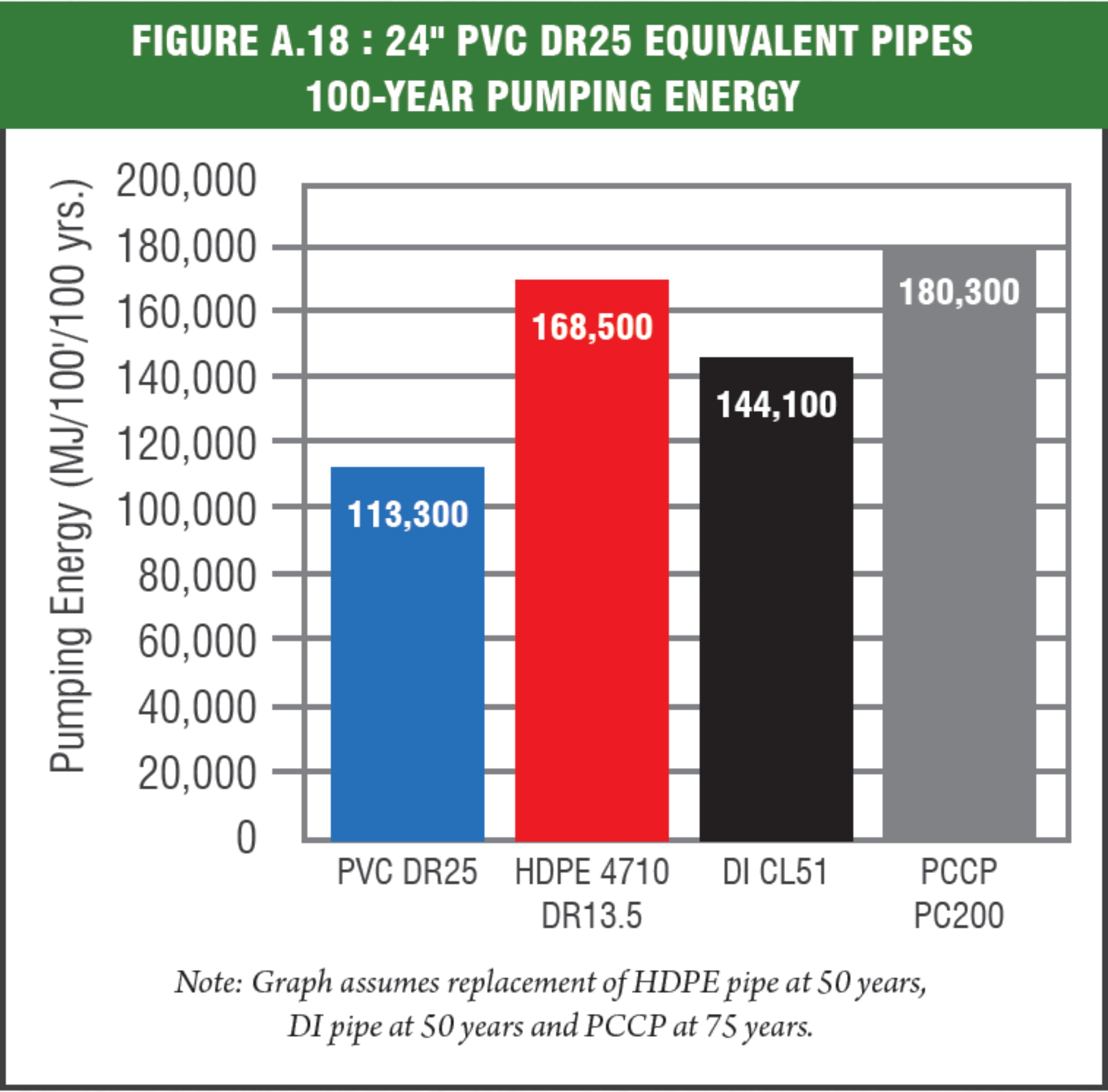
shows that the energy required to pump water through PVC pipe over a 100-year
design life remains constant because PVC pipe walls are smooth and do not
roughen over time. This generates overall life cycle cost savings and a lower
carbon footprint compared to alternative materials that require more pumping
energy over time due to corrosion, leaks and internal degradation. SSC
encourages municipal officials and other stakeholders to consider this report
when evaluating the life cycle costing of water infrastructure and making
sustainable piping decisions.
The comparative sustainability analysis references over 200 sources and studies
to provide the most up-to-date and comprehensive industry review of the health,
safety, performance characteristics, and sustainability attributes of different
pipe materials available. The PVC Pipe LCA and EPD support the goals and vision
of the 2010 USEPA Clean Water and Safe Drinking Water Infrastructure
Sustainability Policy and the 2015 USEPA National Water Program on Climate
Change for ensuring the long-term sustainability of water infrastructure.
Click here
for a copy of the Life Cycle Assessment of PVC Water and Sewer Pipe and
Comparative Sustainability Analysis of Pipe Materials report.
About Sustainable Solutions
Corporation (SSC)
 SSC is a firm dedicated to their vision of empowering
businesses to become drivers of positive global change. SSC partners with our
clients to identify large scale opportunities for improved profitability and
reduced risks, all while helping them to simultaneously implement best practices
in sustainability on a global scale. Utilizing over 25 years of experience, SSC
is recognized as a trusted advisor and industry leader in the sustainability
community with expertise in life cycle analysis and sustainable product design
and analysis. SSC’s clients are most often global in their operations and span a
variety of industries, including Saint-Gobain North America and CertainTeed
Corporation, Merck, ASSA ABLOY, FMC, Mars Drinks, LG Hausys, and Kohler.
www.sustainablesolutionscorporation.com. SSC is a firm dedicated to their vision of empowering
businesses to become drivers of positive global change. SSC partners with our
clients to identify large scale opportunities for improved profitability and
reduced risks, all while helping them to simultaneously implement best practices
in sustainability on a global scale. Utilizing over 25 years of experience, SSC
is recognized as a trusted advisor and industry leader in the sustainability
community with expertise in life cycle analysis and sustainable product design
and analysis. SSC’s clients are most often global in their operations and span a
variety of industries, including Saint-Gobain North America and CertainTeed
Corporation, Merck, ASSA ABLOY, FMC, Mars Drinks, LG Hausys, and Kohler.
www.sustainablesolutionscorporation.com.
Regards,
 Bruce Hollands Bruce Hollands
Executive
Director | Uni-Bell PVC Pipe Association
2711 LBJ Freeway, Suite
1000 | Dallas, TX 75234
T. 972.243.3902 ext. 1019 | F.
972.243.3907
www.uni-bell.org
  
|